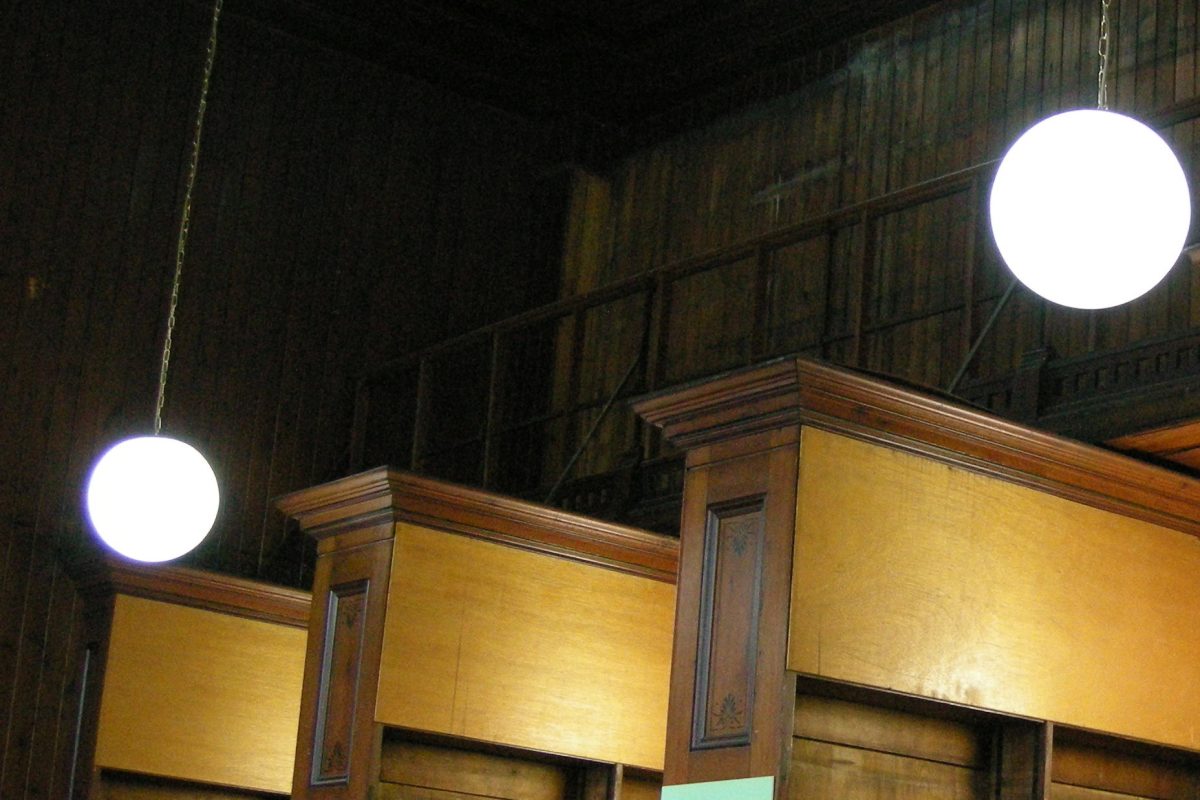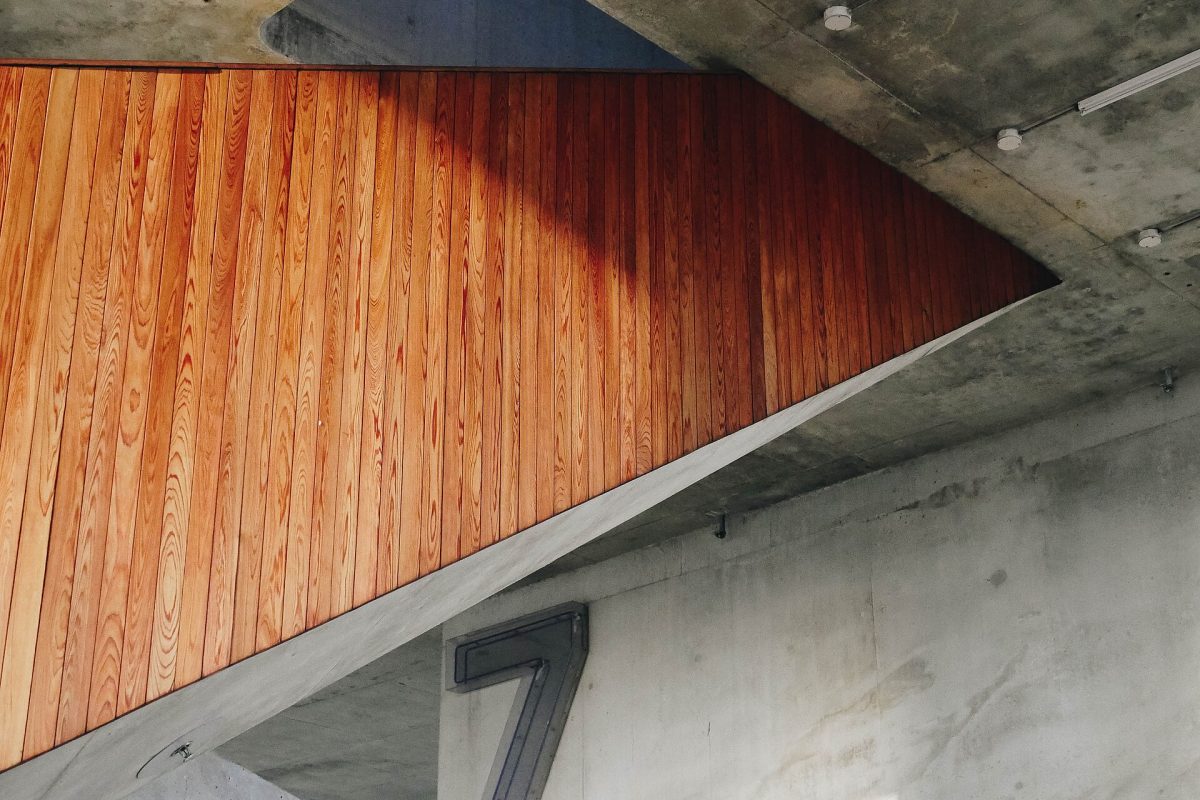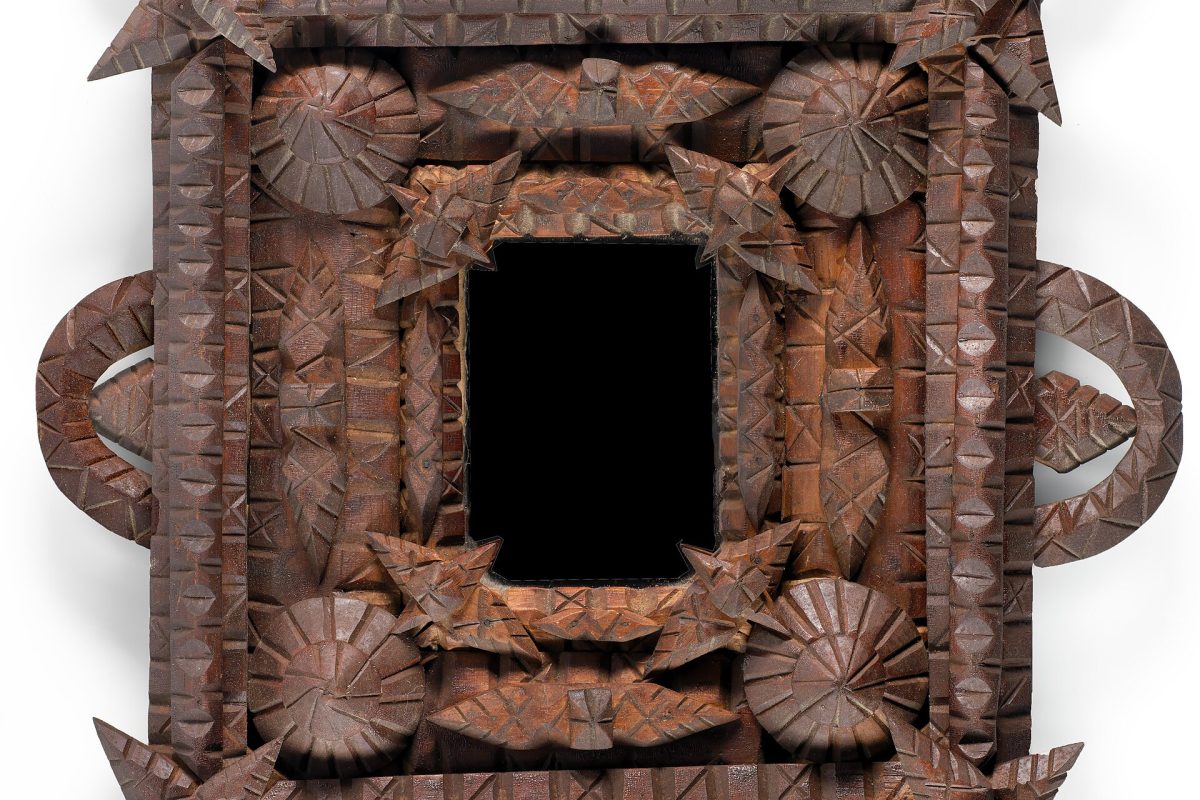
Architectural Millwork
Bespoke furniture & cabinetmaking atelier
A bespoke furniture and cabinetmaking atelier working in solid hardwood — dining tables, case goods, seating, and architectural millwork, built to real joinery and grounded in the published wood science behind every board.
Solid wood keeps moving with the seasons long after a piece leaves the shop. This calculator uses the published Wood Handbook shrinkage coefficients to show, in real inches, how much a board of a given species, size, and cut will expand or contract across a real moisture-content swing — the same math behind every panel gap and breadboard-end allowance we build.
A 24in, flatsawn Black Walnut board will move about 0.40in wider as it dries toward the target moisture content.
Method: linear approximation between the fiber saturation point (~28% MC) and ovendry, using each species’ published tangential (flatsawn), radial (quartersawn), or averaged (riftsawn) shrinkage percentage. Source: USDA Forest Products Laboratory, Wood Handbook (FPL-GTR-282), Table 4-3. A planning approximation, not a precision engineering figure.
The Janka hardness test measures the force needed to embed a steel ball halfway into a sample — a real, standard proxy for how a species resists dents and wear. Select a species to see genuine use-case guidance grounded in that number, not marketing copy.
Acer saccharum
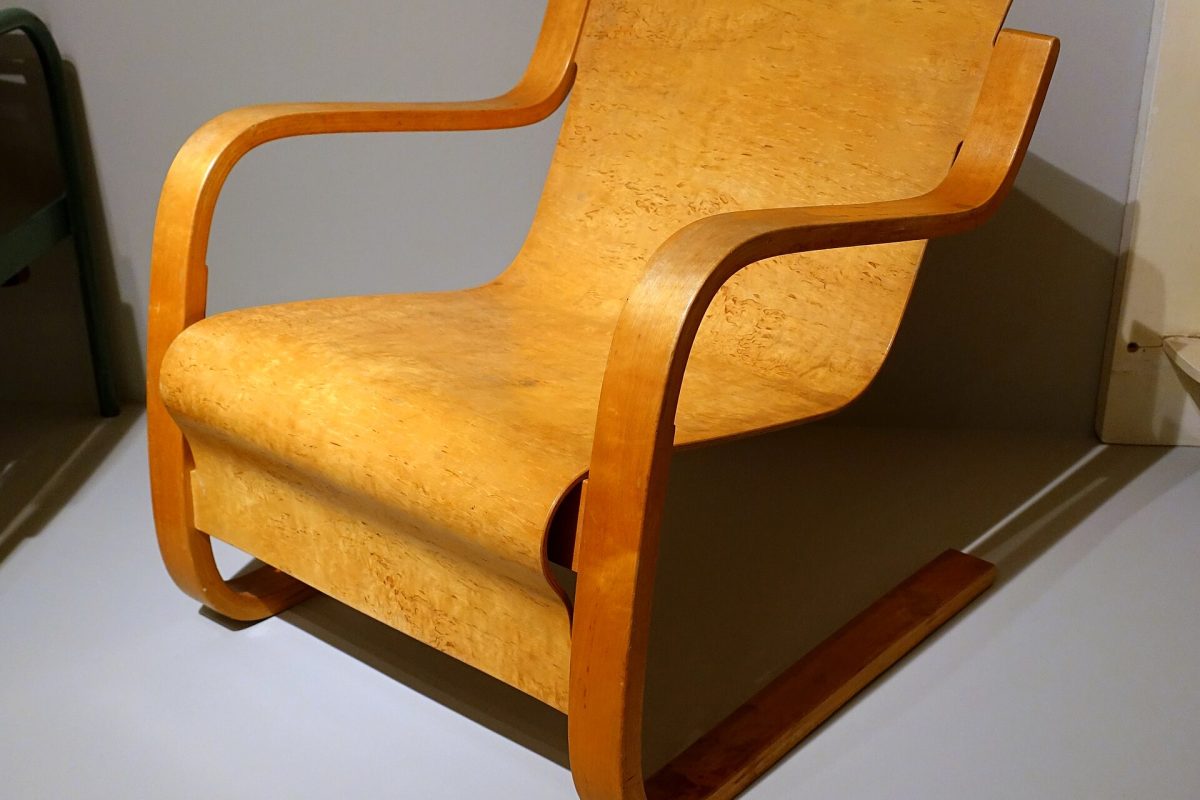
Fine, tight, generally straight grain, though birdseye, curl, and quilt figure occur and are prized when they do. Pale cream to light reddish-brown.
Among the hardest furniture timbers in regular use — an excellent choice for tabletops, work surfaces, and flooring-adjacent pieces that take heavy daily contact.
Janka hardness figures: USDA Forest Products Laboratory, Wood Handbook (FPL-GTR-282), Chapter 5, side-hardness table, lbf, load applied perpendicular to grain.
A flitch is sliced into consecutive veneer leaves; open two neighboring leaves like a book and their grain mirrors perfectly across the seam. Each log below generates a real, procedurally drawn grain pattern for one leaf, then renders its exact mirror beside it — the same geometry a real bookmatched panel relies on.
We walk the room, talk through how the piece will actually be used, and set a real budget range before a single sketch is drawn.
Concept sketches become dimensioned shop drawings — every joint, reveal, and hardware location specified before cutting begins.
Species is chosen against the piece’s real wear, humidity, and stability needs — not just color — and boards are hand-picked at the sawmill for grain match.
Mortise-and-tenon, dovetail, and breadboard joinery is cut by hand and machine in our own shop, built to move with the wood rather than fight it.
Hand-rubbed oil, catalyzed varnish, or hard wax oil applied in multiple coats, chosen for how the piece will actually be used day to day.
Our own crew delivers and installs every piece, with a final walk-through and care guide specific to the wood species delivered.
For 20 years we’ve worked out of the same shop, taking on a deliberately small number of commissions a year so every joint gets cut by someone who will still be here to service it in a decade. No outsourced casework, no laminate substitutes — every piece that leaves the building was built, finished, and delivered by the same small crew that designed it.
“They showed us the actual movement math for the tabletop before we picked quartersawn over flatsawn — nobody else even brought up the question.”
“The breadboard ends on our table have never opened a gap, three winters in. They told us up front exactly how much movement to expect.”
“Our sideboard’s grain runs continuously across all four doors — they walked us through the flitch before it was ever cut.”
“The staircase stringers are Douglas fir, on purpose — they explained exactly why before we’d even asked about cost.”
Tell us about the piece, the room, and the budget you have in mind — we’ll follow up within two business days to schedule an initial consultation.